
Introduction: A Village Above the Lake
Nestled on the northern edge of Ithaca, Cayuga Heights stands as one of the region’s most distinguished neighborhoods. Perched above the shimmering waters of Cayuga Lake, this area is prized for its leafy streets, stately homes, and rich sense of tradition. Residents and visitors alike feel the unique blend of small-town charm and historical grandeur that makes Cayuga Heights much more than just another address—it’s an enduring Ithaca story in its own right.
Origins of a Neighborhood: Early Beginnings
The story of Cayuga Heights begins at the turn of the twentieth century. Originally farmland and open pasture, the area was incorporated as the Village of Cayuga Heights in 1915. The founders—many of whom were professors and professionals affiliated with nearby Cornell University—were drawn to the land’s sweeping views and natural beauty.
The very name “Cayuga Heights” honors both the region’s indigenous history and its geographic perch. “Cayuga” pays homage to the Cayuga Nation, one of the original members of the Haudenosaunee Confederacy. These lands are unceded territory, and the neighborhood’s moniker is a reminder of the region's deep-rooted heritage, as well as its striking vantage point above Cayuga Lake.
A Carefully Planned Enclave
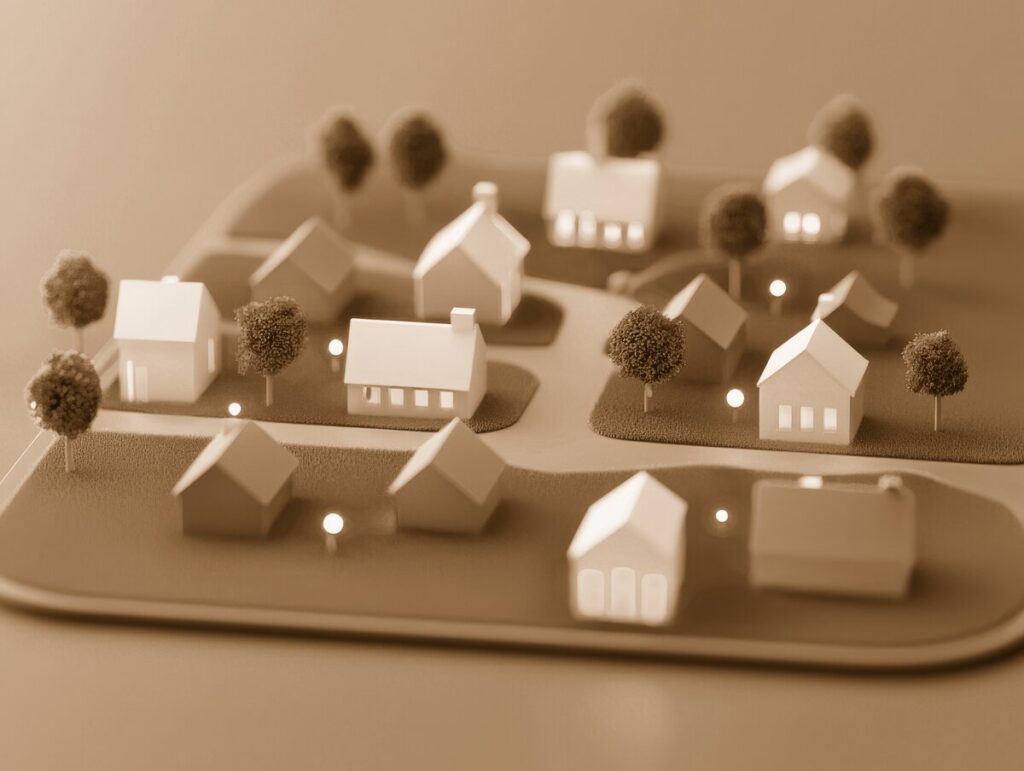
From its inception, Cayuga Heights has been marked by thoughtful development. The village's founders envisioned a garden suburb—a place defined by winding roads, generous lots, and lush landscapes. In contrast to Ithaca’s denser city blocks, Cayuga Heights grew according to a carefully laid plan, with natural topography guiding the placement of homes and streets rather than rigid grids.
Many of the earliest houses were designed by renowned local architects, including the prolific William Henry Miller. The result: a neighborhood with a distinctive character. Stately homes—built in Colonial Revival, Tudor, and Arts and Crafts styles—line streets like Cayuga Heights Road, The Parkway, and Highland Road, each with mature trees and sweeping lawns.
Landmarks and Points of Pride
- Kendal at Ithaca: Once the location of the luxurious Edgecliff estate (later the site of the Alpha Delta Phi fraternity house), the modern Kendal at Ithaca retirement community now blends the area’s heritage with contemporary senior living.
- Marcham Hall: Built in 1928, this stately stone building at 836 Hanshaw Road has long served as the Village Hall, housing the village government and community events. Its welcoming presence is one of the neighborhood’s architectural icons.
- Cayuga Heights Elementary School: Originally opened in 1924, this school has served generations of local children, acting as a hub of educational innovation and neighborhood gatherings.
- Sunset Park: This pocket park, located at the end of Sunset Drive, offers panoramic views of Cayuga Lake, especially breathtaking at dusk. It’s a beloved spot for residents and visitors to relax and take in the changing seasons.
Each of these landmarks holds stories—of families, friendships, civic progress, and community spirit—that continue to animate the village.
Key Historical Milestones
Throughout the years, Cayuga Heights has seen moments of transformation and continuity:
- Village Incorporation (1915): Formal recognition set the stage for careful self-governance and resident involvement.
- Expansion and Annexation: Over the decades, the boundaries of the village shifted and expanded, incorporating new residential tracts along Triphammer and Wyckoff Roads. Thoughtfully managed growth preserved the neighborhood’s tranquil character.
- Post-WWII Growth: Like many American suburbs, Cayuga Heights saw a boom in home construction in the late 1940s and 1950s. Modernist ranches and split-levels joined the older Tudor and Colonial homes, reflecting changing architectural tastes.
- Cultural and Demographic Change: As Cornell University grew and Ithaca became more diverse, families from around the world found a welcoming home in Cayuga Heights. Today, the village remains a vibrant mix of longtime residents and newcomers.
- Environmental Stewardship: The village has long prized its green spaces and natural environment. Efforts to care for Sunset Park, scenic ravines, and mature street trees continue, ensuring the neighborhood remains lush and inviting.
Institutions and Community Life
Cayuga Heights is closely tied to the intellectual and cultural life of Ithaca. Many residents are faculty, staff, or students at Cornell University. This connection brings a lively, global flavor to neighborhood interactions, from informal gatherings to village holiday celebrations.
The Cayuga Heights Garden Club, a venerable institution, maintains public plantings and hosts educational events, reinforcing the area’s image as a garden suburb. Hanshaw Road and the nearby Community Corners shopping district have grown into convenient hubs for local businesses, providing essential services just a stroll away.
On any given day, it’s not uncommon to see neighbors chatting along Highland Road or sharing a meal at one of the cozy eateries by Community Corners. Seasonal events, like the ice cream socials on the Village Green, offer opportunities for laughter and friendship.
Evolution Through the Decades
Today’s Cayuga Heights retains much of what early founders cherished: elegant homes, tall shade trees, and an impressive civic spirit. But adaptation has also been essential:
- Energy-efficient renovations breathe new life into historic structures, marrying old-world beauty with modern comfort.
- Ongoing infrastructure upgrades—such as sidewalk improvements on Kline Road and new bike lanes—encourage safety and accessibility for residents of all ages.
- A new generation of families brings fresh ideas, ensuring that traditions like the Halloween parade or the Spring Garden Tour continue to flourish.
The community is mindful of its legacy, embracing both change and continuity. Cayuga Heights remains a model for thoughtful suburban living—rich in history and focused on a vibrant, sustainable future.
Conclusion: A Neighborhood Like No Other
For those lucky enough to walk its winding streets or call it home, Cayuga Heights is more than a neighborhood. It’s a living tapestry of heritage, natural beauty, and community spirit. Whether pausing to watch the sun set over the lake from Sunset Park, admiring the dignified facades along The Parkway, or greeting a neighbor at Community Corners, you’re participating in a history as enduring as it is welcoming.
Here, every season brings fresh stories and renewed connections—a testament to a community that has cherished its roots while thoughtfully embracing the future.